
News & Insights
The Ultimate Guide to Biophilic Design Benefits for Homes in Dubai
Introduction to Biophilic Design in Dubai Homes
In a city renowned for its architectural marvels and modern lifestyle, embracing nature might seem like an unconventional trend. Yet, the concept of biophilic design is revolutionizing homes in Dubai, marrying the serene beauty of the natural world with urban sophistication. This approach is much more than a fleeting trend; it promises to enhance well-being, productivity, and sustainability in the bustling metropolis. But what are the benefits of biophilic design for homes in Dubai?
Biophilic design focuses on integrating natural elements—such as plants, natural light, and water features—into urban settings. This design philosophy not only transforms aesthetics but also works to improve the quality of life for residents. Research indicates that exposure to nature can reduce stress, enhance mood, and even boost creativity. By integrating greenery and nature-inspired elements, homeowners in Dubai can create serene and rejuvenating living environments amidst the city’s concrete and glass structures.
One of the key benefits of biophilic design is its potential to enhance mental well-being. For instance, incorporating indoor plants has been shown to decrease anxiety and depression by promoting a sense of calmness. According to a study on the impact of plants, the mere presence of greenery can significantly boost productivity and creativity, making biophilic homes an optimal choice for those working from home.
The practice also ties closely with sustainability, a critical concern in Dubai due to its arid climate. By utilizing sustainable materials and incorporating elements such as green walls and solar lighting, biophilic design contributes to energy efficiency and reduces environmental footprint. The strategic use of such features not only aligns with sustainability goals but also offers long-term financial benefits, a principle increasingly valued by modern homeowners.
Moreover, the aesthetic appeal of biophilic design cannot be overstated. Natural materials and organic forms create visually captivating spaces that offer a refreshing contrast to the traditional urban architecture of Dubai. This harmonious blend ensures that biophilic homes are not only functional but also visually engaging.
The introduction of biophilic design in Dubai’s residential sector is a testament to the city’s forward-thinking ethos. It reflects a growing awareness of the importance of nature in urban living, offering a blueprint for healthier, happier, and more sustainable homes. As homeowners increasingly seek this balance, biophilic design is poised to become a cornerstone of Dubai’s architectural identity.
Enhancing Wellbeing and Comfort
Biophilic design is a powerful tool for improving the wellbeing and comfort of residents in Dubai’s scorching climate. By integrating natural elements such as greenery, water features, and ample natural light, homes can provide a serene escape from the urban sprawl. These elements not only beautify the living space but also support mental health and physical well-being. Exposure to natural light, for instance, helps regulate sleep patterns, improve mood, and enhance productivity, making it a crucial aspect of biophilic design.
Dubai’s luxury homes are increasingly incorporating green roofs and vertical gardens that create peaceful retreats within the urban environment. These features are not just visually appealing; they provide natural insulation, reducing indoor temperatures and reliance on cooling systems. A study conducted by the University of Sheffield highlights the energy savings and ecological benefits of green roofs in arid environments. More importantly, the inclusion of plants and vegetation indoors offers a sense of tranquility and boosts air quality, reducing the presence of indoor pollutants.
Case Studies in Dubai
Real-world applications of biophilic design in Dubai demonstrate its transformative potential. Iconic projects such as the Sustainability Pavilion at Expo 2020 serve as inspiring examples. This structure, with its lush gardens and innovative architecture, embeds sustainability and biophilia at its core, creating an immersive environment that fosters interaction with nature. Such designs are influencing residential developers and homeowners aiming to create sanctuaries that marry luxury with environmental consciousness.
Another noteworthy initiative is the adoption of Green Zen Mulch, a solution that emphasizes water conservation and enhances the aesthetic value of landscapes. This approach not only contributes to Dubai’s vision of sustainability but also represents a practical application of biophilic principles in residential projects. Learn more about how these strategies are making a difference in Green Zen Mulch Saving Water Saving Money Saving Dubai.
The benefits of biophilic design for homes in Dubai are manifold. From energy efficiency and climate resilience to promoting mental health and comfort, this design philosophy is steadily reshaping the architectural landscape. As Dubai continues to pioneer such innovative approaches, the city’s homes will likely become models for integrating nature and modern living.
According to numerous studies, the psychological and physiological benefits derived from incorporating natural elements into living spaces are substantial. The biophilic design concept offers a compelling answer to the question of what are the benefits of biophilic design for homes in Dubai, making it a vital consideration for future developments.
Enhancing Aesthetic Appeal and Emotional Well-being
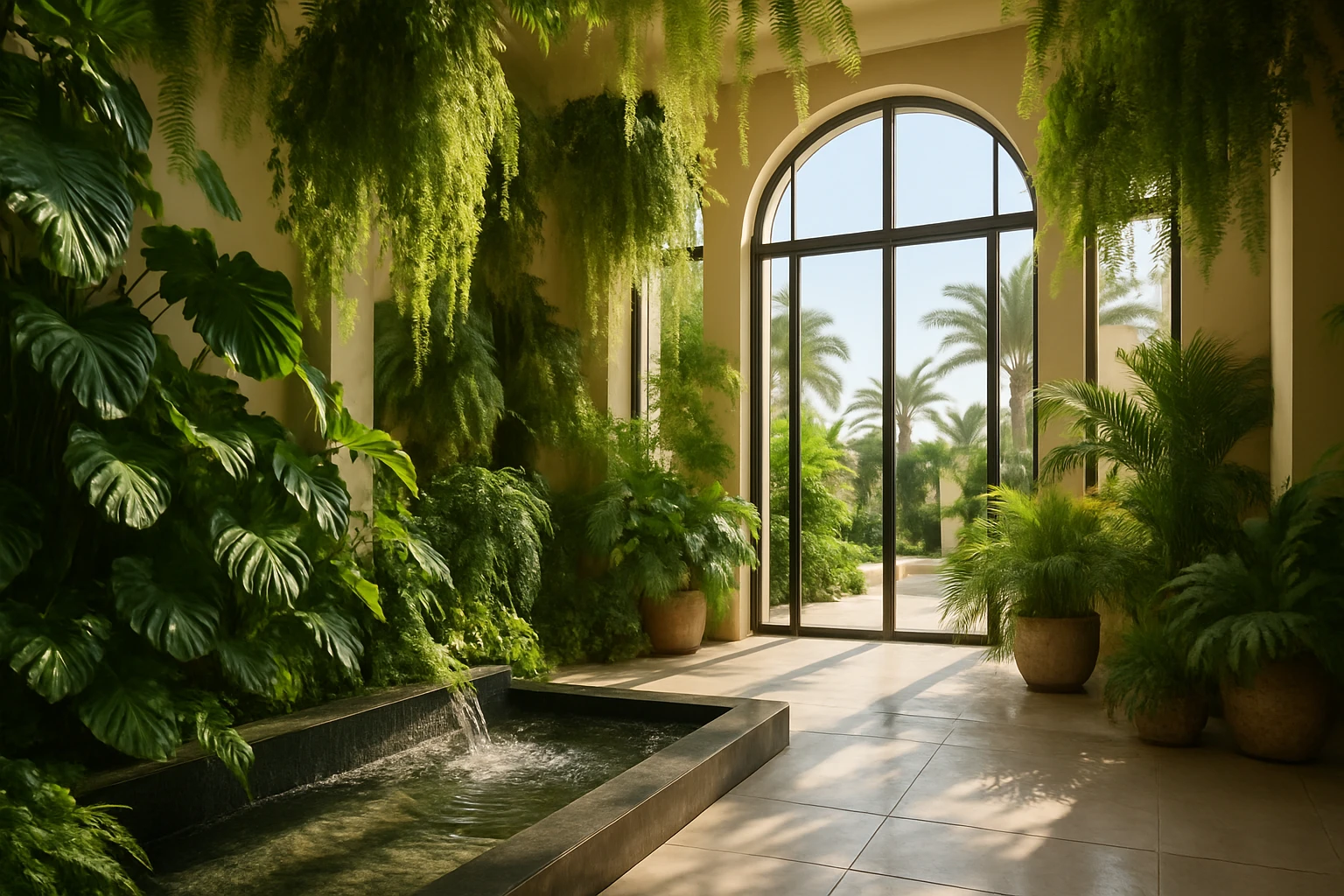
Biophilic design plays a crucial role in enhancing the aesthetic appeal and emotional well-being of homes in Dubai. By integrating natural elements such as plants, water features, and natural light, homeowners can create spaces that not only look stunning but also foster a deep sense of tranquility and health. For instance, incorporating vertical gardens and large windows in a Dubai home maximizes the use of natural light, transforming interiors into vibrant, living spaces. Such designs have been shown to reduce stress and increase happiness, making them highly desirable in an urban environment.
A growing body of research highlights the psychological benefits of biophilic design. Studies suggest that exposure to natural environments significantly lowers cortisol levels, which are linked to stress reduction [source]. In the context of Dubai, where high-paced lifestyles are common, incorporating biophilic elements is an effective strategy for nurturing mental well-being.
Furthermore, these design principles not only enhance mental health but also boost creativity and productivity. Homes designed with biophilic elements provide a calming retreat that stimulates the mind. Incorporating greenery, for example, may enhance cognitive function and spur innovative thinking. Many residents turn to resources like Green Zen’s insights on biophilic design to achieve this transformation, making their homes personal sanctuaries that inspire daily.
Moreover, the aesthetic benefits cannot be overstated. Biophilic design incorporates the rich textures and colors found in nature, offering a diverse and evolving visual landscape. This approach is particularly compelling in a city like Dubai, where luxury and elegance are highly prized. Homeowners can elevate their spaces by integrating elements like indoor water walls or expansive green features, creating environments that are both inviting and serene.
Overall, understanding what are the benefits of biophilic design for homes in Dubai extends beyond mere aesthetics. It’s about creating harmonious spaces that support the mental and emotional health of residents. As the trend continues to grow, more individuals seek out solutions from trusted providers, recognizing the profound impact biophilic elements have on both their homes and their lives. These designs not only reflect personal taste but also provide a critical improvement in the quality of life, resonating with those who seek sustainable and mindful living.
Sustainability and Resource Efficiency
Adopting biophilic design in homes across Dubai aligns seamlessly with the growing emphasis on sustainability and resource efficiency. As a city known for its innovative architecture, integrating natural elements into homes enhances not only the aesthetics but also the functionality and environmental impact of living spaces. By incorporating features such as green roofs, vertical gardens, and natural ventilation systems, homeowners can significantly reduce energy consumption. This integration can lower utility costs and environmental footprints, offering a compelling answer to what are the benefits of biophilic design for homes in Dubai?.
For instance, green roofs insulate buildings, reducing the need for extensive air conditioning — a key consideration in Dubai’s hot climate. According to a study by the University of Toronto, green roofs can decrease a building’s air conditioning demand by up to 75% during the summer months. Applying similar solutions in Dubai can result in substantial energy savings and decreased greenhouse gas emissions. This not only contributes to personal savings but also supports Dubai’s environmental sustainability goals, enhancing the city’s reputation for innovative green solutions.
Enhanced Indoor Air Quality
A critical aspect of biophilic design is its potential to improve indoor air quality—a vital health consideration in Dubai’s arid environment. Naturally integrated designs, such as indoor plants and well-ventilated spaces, help reduce pollutants and increase the oxygen levels indoors. NASA’s Clean Air Study highlighted that certain plants like the Areca Palm and Boston Fern are effective at removing toxins like formaldehyde and benzene from the air. Incorporating these plants into home design can lead to healthier living conditions, mitigating issues like allergies and respiratory problems prevalent in urban areas.
The use of materials that mimic natural textures and forms also plays a crucial role in enhancing indoor air quality. Materials like bamboo, natural stone, and reclaimed wood do not off-gas harmful chemicals, unlike many synthetic materials used in conventional building practices. This approach not only enriches the aesthetic appeal of interiors but also supports environmental health and sustainability practices.
Supporting Local Biodiversity
Incorporating biophilic design elements into residential homes in Dubai can also support local biodiversity. By using native plants in landscaping and garden designs, homeowners not only create a sustainable environment but also support local ecosystems. This practice encourages the presence of beneficial insects, birds, and other fauna, fostering a balanced and thriving urban ecosystem.
Local initiatives, such as the Dubai Municipality’s efforts to plant a million trees, demonstrate the city’s commitment to enhancing green spaces. Homeowners can contribute to these efforts by aligning their home designs with these broader environmental objectives, driving communal efforts towards sustainability.
In summary, the multifaceted advantages of biophilic design—from efficiency and air quality to biodiversity—make it clear why it’s emerging as a preferred choice for home design in Dubai.
Conclusion: Embracing Biophilic Design in Dubai Homes
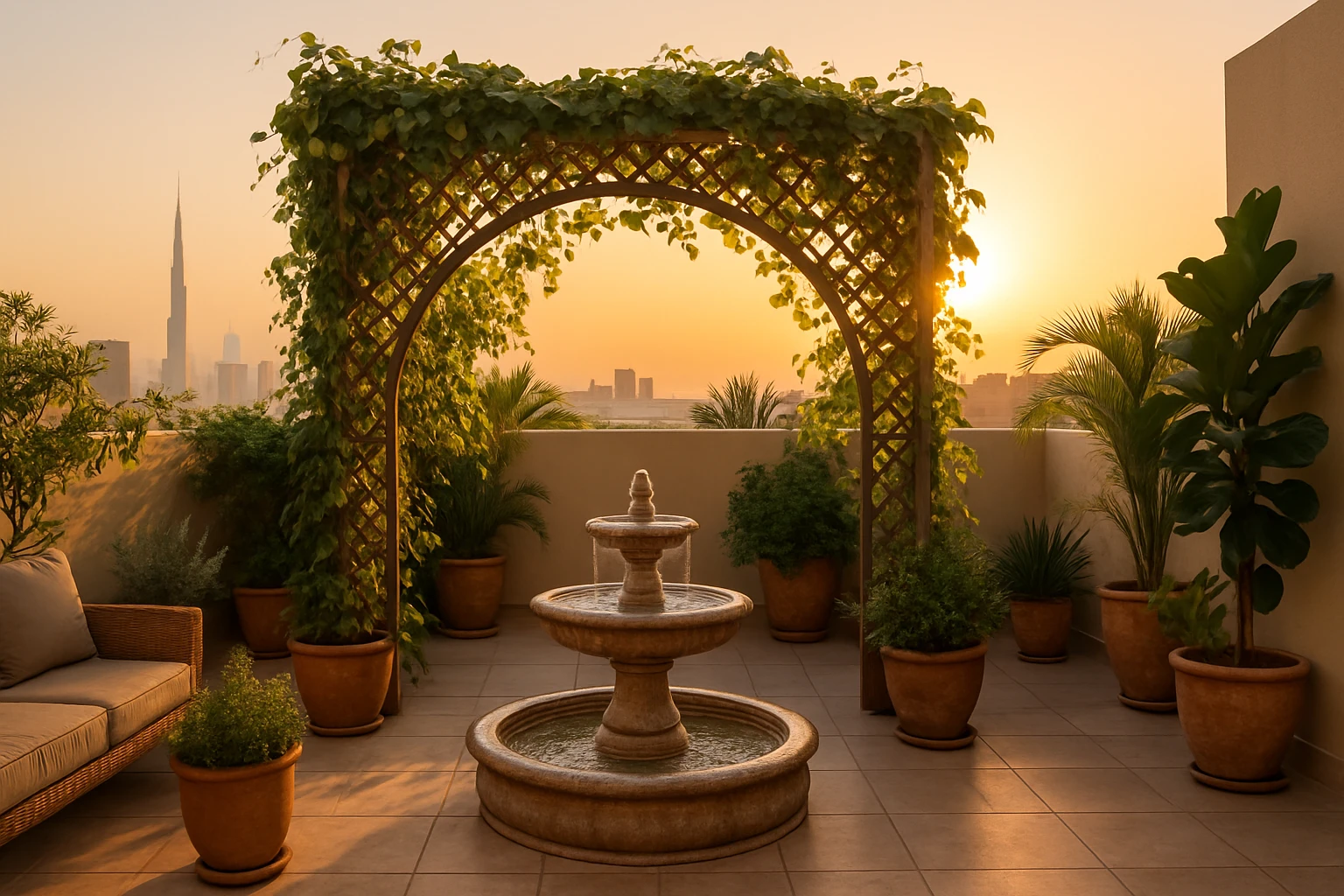
Biophilic design, with its harmonious integration of nature into living spaces, offers a myriad of benefits that are particularly resonant in the vibrant city of Dubai. By embracing this approach, homeowners can transform their environments into oases of tranquility and well-being. The advantages extend beyond aesthetics, impacting physical health, mental clarity, and sustainability. This holistic design practice not only enhances comfort but also fosters a deeper connection with the natural world amidst the urban landscape.
One compelling advantage of biophilic design is its potential to significantly improve air quality within the home. Incorporating elements such as living walls and indoor plants can naturally filter toxins from the air, providing residents with a fresher, healthier living environment. Additionally, the presence of greenery has been shown to reduce stress levels and promote relaxation, offering a sanctuary from the bustling city life outside. Research indicates that exposure to natural elements can enhance mood and overall well-being, making biophilic design a wise investment for mental health. According to a study published by the National Institutes of Health, interacting with nature can lower cortisol levels and improve cognitive function.
Sustainability is another compelling reason to integrate biophilic design elements into homes in Dubai. By utilizing natural materials and energy-efficient systems, homeowners can reduce their ecological footprint. The use of native plants in landscaping not only requires less water but also supports local biodiversity. This approach aligns seamlessly with Dubai’s vision for sustainability and environmental stewardship, encouraging residents to contribute to these goals through thoughtful design choices.
To truly harness the benefits of biophilic design for homes in Dubai, engaging with experts can provide a tailored strategy that aligns with personal needs and preferences. Consider consulting with Green Zen, a leader in sustainable design solutions, to explore personalized options that can transform living spaces into green sanctuaries. Their expertise in integrating biophilic principles with modern architectural styles ensures that each home not only meets aesthetic desires but also supports a sustainable lifestyle.
In conclusion, the benefits of biophilic design for homes in Dubai are vast and varied. From promoting health and well-being to supporting environmental sustainability, this approach offers a valuable blueprint for modern living. Embracing these principles allows homeowners to create spaces that not only reflect their personal style but also promote a harmonious relationship with nature. Begin your journey towards a more serene and sustainable home by exploring the endless possibilities of biophilic design today.
Article Generated by Soogle
Leave a Reply